
Letter from America on World Sports Journalists Day
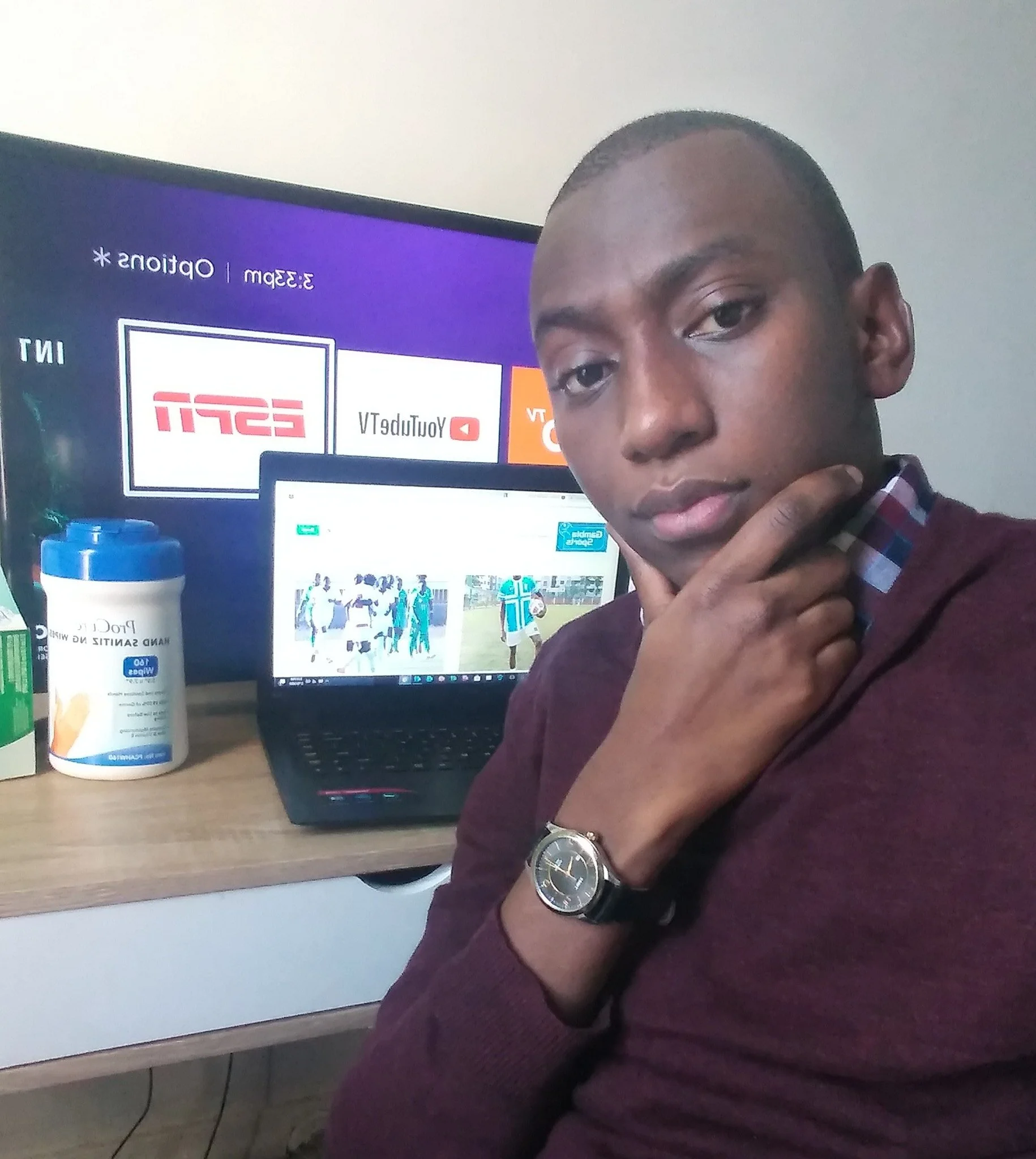
Abdoulie Bah - gambiasportswire.com
New York based sports journalist and former SJAG Secretary General Abdoulie Bah gives us his opinion on the current state of sports journalism in the Gambia as the world celebrates the profession today, July 2nd.
I will begin by remembering three members of the sports media fraternity who have left for the next world. Lamin A. Darboe and Fatou B.K Mbye and more recently Sise Jaha Sawaneh made significant contributions to the progress of sports media in The Gambia. Darboe, a teacher by profession, was among a group of devoted and talented minds in the SJAG. Fatou Mbye made a mark on the careers of many of her colleagues. She took her place, and rightly so, as a warrior and champion of grassroots sports and media development in The Gambia. It is not a stretch to assume that these trailblazers deserve permanent recognition. May their souls continue to rest in peace.
The media is a profession not a job, something that every journalist, current and aspiring should always remember. If you are looking to make a quick buck, perhaps the media is not for you. However, if you are passionate, patient and on a career path, willing take the big steps and small steps, and abide by ethical principles of a professional media practitioner, then dive right in. More often than not, the media is its own enemy. While there are reasons to reflect and celebrate individual achievements, there is also compelling evidence that there is a very long road ahead, and it is a bumpy one. Even before the coronavirus pandemic.
In years gone by, the quality of sports journalists in our country was quite soaring thus encouraging for young people like myself coming fresh out of high school. Even though there were limited opportunities for our predecessors. There were only a few locally owned and operated media outlets yet managing to produce top-notch broadcasters and journalists. Fast forward to where we are today, drenched with more opportunities, we still have not registered any comparative successes.
With the flood of radio stations and online platforms, it is difficult to make any clear distinction in their programming and quality of programming – pretty much the same format. That format has taken some media houses away from locally produced sports news contents. It has given prominence to ready-made international sports stories and availed people too much time to air their views through the call-in programmes.
I take this opportunity to challenge media houses and managers to take a critical look at their programming and accord time to information, perspective, and opinion. It is therefore imperative that SJAG takes the lead in challenging leaders in understanding the role and importance of the sports department. Even though I shadowed sports commentators like Peter Gomez, Besenty Gomez, Bakary B Baldeh as an intern, it took months before I went on-air, when I made the transition from the classroom to the studio. We had extensive training on voice, news gathering, production and other aspects with the likes of the late Fatou Mbye, Pascal Camara, Baboucarr Camara, Mathew Mendy, Baboucarr Njie and others of our generation at West Coast Radio. We had to proof we were ready for on-air duties. We may well give them some credit for the many young people who now form part and in many instances most of the growing movement of sports writers and broadcasters in our country. There is a need to become more involved and creative because the media is powerful. It can impact on a nation's thinking and direction. It provides an opportunity to expose truth, which is necessary. It is for reasons like these and others that our media houses and managers need to be challenged about their responsibilities to the development of good programming and stories for sports departments to regain the appetite of the previous generations of Saul Njie, Tijan Masanneh Ceesay, Oreme Joiner, Pap Saine, Peter Gomez, Essa Jallow, Lamin Cham and others.
For example, how many media houses have someone assigned to report on sports in a responsible and consistent way? What is the level of investment in equipment and training to motivate workers? How often are the unknowns in the communities covered? Commentary of club football was an instrumental part of programming. Many times, we listened to the Radio Gambia greats previously mentioned doing commentary on matches involving both non-league and elite sides.
However, it will be unwise to only challenge, criticize and/or blame. Sports journalists of The Gambia, it is time to reconsider our attitude and approach towards the association. SJAG was never intended to be a social club or just a gathering once or twice a year. SJAG can be a vibrant media organization like similar associations around the region. What the Sainabou Kujabi-Njie and partly the beginning of the Musa Sise led executives have done during my spell as Secretary General was to support the effort of its members in growth and development, widening participation in our activities, engaging the stalwarts of sports journalism so we can learn from their experience and knowledge. Unfortunately, many sports media practitioners continue to be divided and seclude themselves from these positive initiatives hence the challenges we continue to grapple with. It cannot be business as usual for the sports media. It is fair to say, we have failed and will continue to fail sports if we do not get our act together. The public deserves more than just the winners, scores, and schedules. Together, and collectively we can and must effect change. This occasion presents an ideal opportunity to focus, through the lens of critique and recognition. It is a human to express ourselves differently, and be passionate about different things. However, what unifies us, or should unify us, is our dedication to change the status quo. We do not need to direct too much time and energy to talking about what is wrong with the sports media in The Gambia, it is an open secret. Now, let us get to work. Long live sports journalism; Long live SJAG!
First published in the SJAG magazine